
Wood Framing in the US: Industry Analysis and Market Trends (2014–2029)
The wood framing industry in the United States has undergone significant transformations over the past decade, driven by economic shifts, housing demand, and construction trends. In this report, we delve into key aspects of the wood framing sector, examining its market performance, trends, challenges, and future growth prospects for wood framing contractors.
Market Overview
The wood framing industry in the US has witnessed fluctuations in recent years, with its performance largely dictated by both residential and nonresidential construction markets. A combination of favorable interest rates, rising private spending on home improvements, and increased demand for housing led to early growth in the industry. However, subsequent economic shifts, including inflation and rising interest rates, have created market volatility.
Market Size (2024): The wood framing industry is estimated to reach a value of $27.5 billion by 2024.
Compound Annual Growth Rate (CAGR): Over the past five years, the industry has experienced flat growth, with a 0.0% CAGR. This stability indicates a balanced market despite various external pressures.
While the market experienced fluctuations, it remains steady as key sectors, such as residential and nonresidential construction, continue to adapt and recover.
Key Drivers of Growth
The residential construction sector has been one of the major growth drivers for wood framing, particularly in the wake of the pandemic. With interest rates hitting historic lows, there was a sharp increase in housing starts, particularly for single-family homes. This trend was further fueled by heightened private spending on home renovations as homeowners sought to increase property values.
While residential projects initially led the market surge, the recovery in nonresidential construction—such as office buildings, schools, and retail spaces—has been a critical factor in the continued expansion of wood framing services. As demand for commercial spaces rebounds post-pandemic, the wood framing market has adapted to meet the evolving needs of these projects.
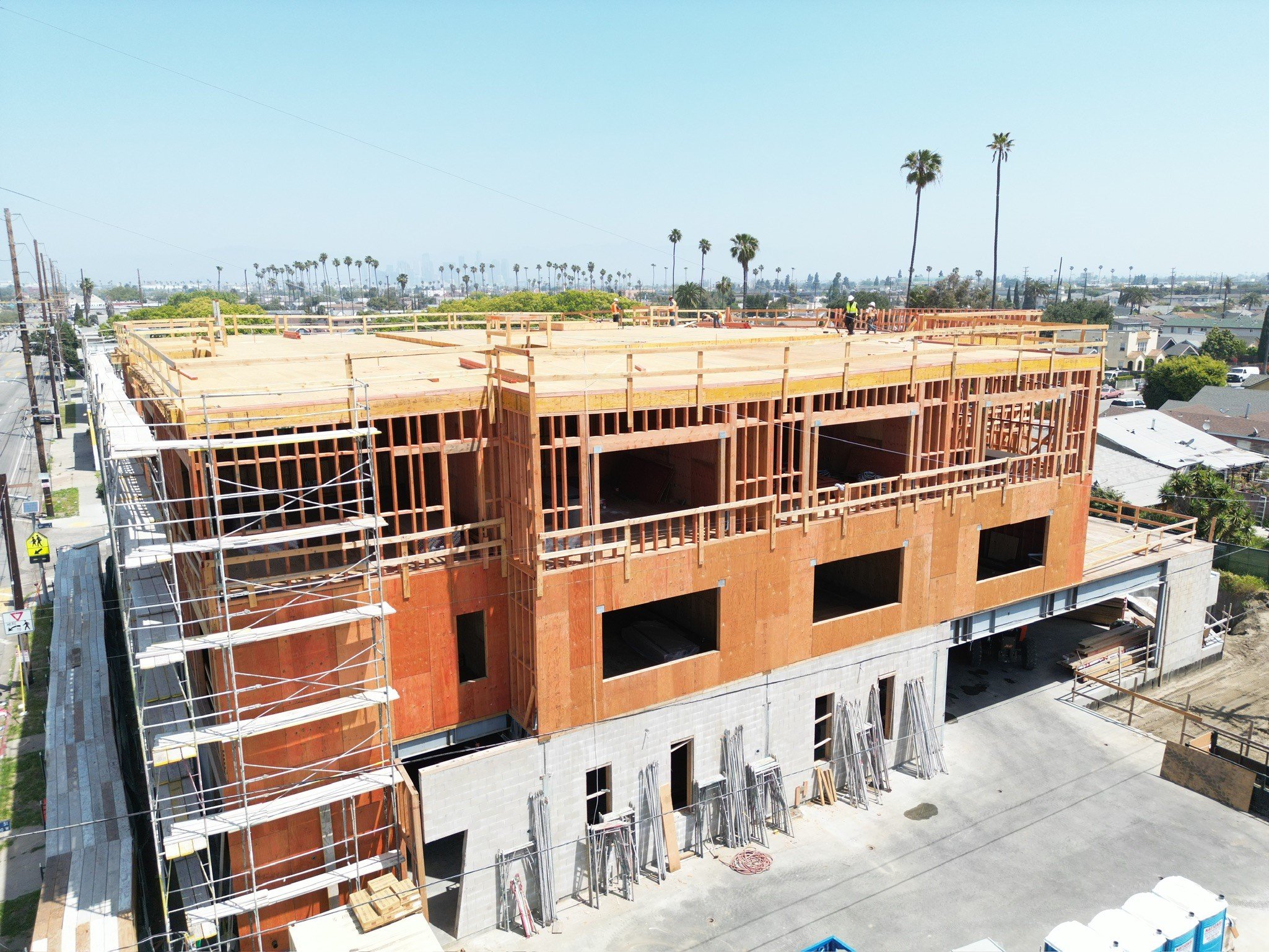
Some states have become more prominent in the wood framing sector due to their strong commercial and residential construction activities. California, for instance, has emerged as a key hotspot, owing to its bustling construction market, proximity to major urban areas, and favorable climate for building wood-framed structures. Demand for wood framing services is expected to remain robust in these regions, particularly as more people move to urban areas in search of affordable housing.
Industry Trends
The performance of the residential construction market directly impacts the demand for wood framing services. Housing starts have historically driven the success of the sector, and shifts in interest rates can drastically affect this. As interest rates fluctuate, so too does the demand for new home construction and framing services. Wood framing contractors must be agile to navigate these shifts.
Interest rates remain a key factor in shaping the wood framing industry’s outlook. As the Federal Reserve anticipates rate cuts through 2029, it is expected that demand for housing and multifamily construction will pick up again, offering a more stable market outlook for contractors. Lower interest rates will also lead to increased accessibility for consumers looking to finance new construction projects, which could result in heightened demand for wood framing.
Advancements in wood framing techniques are helping contractors improve both efficiency and safety. The use of prefabricated wood components, for instance, has become more common, reducing construction time and cost while maintaining the quality of the structures. Additionally, the adoption of fire-resistant wood materials is increasing as safety concerns become more prominent in both residential and commercial buildings.
A growing emphasis on sustainability is shaping the future of the wood framing industry. Consumers and builders alike are increasingly looking to use sustainable materials and implement green building practices in their projects. As building codes tighten around environmental regulations, more contractors are adopting eco-friendly framing solutions, such as sustainably sourced wood and energy-efficient design methods, to stay competitive.
Challenges
Rising costs of raw materials—particularly lumber—are putting pressure on profit margins for contractors. The wood framing sector has seen volatility in material prices, primarily due to supply chain disruptions and global market factors. Lumber costs, in particular, have fluctuated significantly over the past few years, and while they may stabilize, contractors will need to adapt to ensure they remain profitable while offering competitive prices.
Another significant challenge facing the industry is a shortage of skilled labor. The construction sector in the US has struggled with workforce shortages, and this has affected wood framing contractors who rely on skilled professionals for high-quality work. As labor costs rise and talent pools shrink, contractors are increasingly forced to compete for a limited pool of workers.
Stricter environmental regulations and building codes are another hurdle for the wood framing industry. Sustainable sourcing practices and eco-friendly building materials are becoming non-negotiable. While this trend aligns with consumer demand for green building solutions, it can increase operational costs, especially for smaller contractors who may struggle with compliance.
Products and Services Segmentation
The largest segment of the wood framing industry is residential new construction, particularly structural framing for single-family and multifamily homes. As the demand for new homes continues to rise, this sector remains vital to industry success. Contractors can capitalize on this market by offering innovative and efficient framing solutions to keep pace with growing demand.
A growing area within the industry is residential renovations, where homeowners seek to expand or update their homes. These projects provide opportunities for wood framing contractors to offer custom solutions tailored to the homeowner’s needs and budget. Home improvements, such as room additions or basement framing, are becoming more common as homeowners seek to add value to their properties.
Wood framing’s application in nonresidential construction—including office buildings, schools, and retail spaces—is expected to grow in the coming years. With the recovery of the commercial real estate market post-2025, contractors are anticipating an uptick in framing projects for these types of buildings. Given the sector’s high profit potential, this market offers considerable opportunity for experienced contractors.
Future Outlook (2025–2029)
The wood framing industry is poised for steady growth in the coming years, driven by several key factors:
Federal Reserve rate cuts are expected to encourage increased investment in both residential and multifamily construction projects. As financing becomes more accessible, builders will likely see a surge in demand for framing services, providing contractors with a stable outlook for the coming years.
Urbanization is another key factor that will drive demand for wood framing. As more people move into cities seeking affordable housing, the need for multifamily units and residential projects will increase, creating more opportunities for contractors in high-density areas.
As green building practices gain traction, the adoption of sustainable framing solutions will continue to rise. Wood framing contractors who embrace sustainability and use eco-friendly materials will be well-positioned to capitalize on consumer demand for green construction.
Competitive Environment
The wood framing industry is highly fragmented, with no dominant player holding a significant share of the market. Success in this competitive environment hinges on:
- Reputation: High-quality workmanship and timely delivery are critical factors for contractors seeking to build a loyal client base.
- Cost Efficiency: In a market where price competition is fierce, offering competitive pricing without compromising on quality will be a key differentiator for contractors.
- Innovation: Embracing technology—whether it’s through prefabricated components or advanced framing techniques—will give contractors a competitive edge in terms of efficiency, cost, and safety.
